TV
-
PLUR1BUS
PLUR1BUS ~ Apple TV Scientists discover a signal coming from 600 light years away, and set to trying to figure out what the heck it might mean. Eventually they figure it out, to disastrous/wonderful results (depending upon your perspective). Almost a billion people die right away (horrible by all accounts), but the billions that are left are full of joy and peace, and a collective mind. Everyone on Earth has the memories and skills of everyone else. Everyone can work as an airplane pilot, a brain surgeon, an author, a bartender, whatever. Except Carol and 11 other people, who are for some reason different and have retained their individuality and…
-
TV Tuesday
No Good Deed ~ Available on Netflix I came across No Good Deed while browsing Netflix recently, and I’m glad I did. It’s the story of a couple, Lisa Kudrow and Ray Romano, who are selling their home in a wealthy area of Los Angeles. Of course, things are not what they seem, and shit happens. The cast is great, the writing sharp, the characters as flawed as you would hope. The house is beautiful and I would likely watch for that alone. If you like dark humor, and you don’t want a huge commitment (there is only one season), give it a try.
-
The Third Gilmore Girl
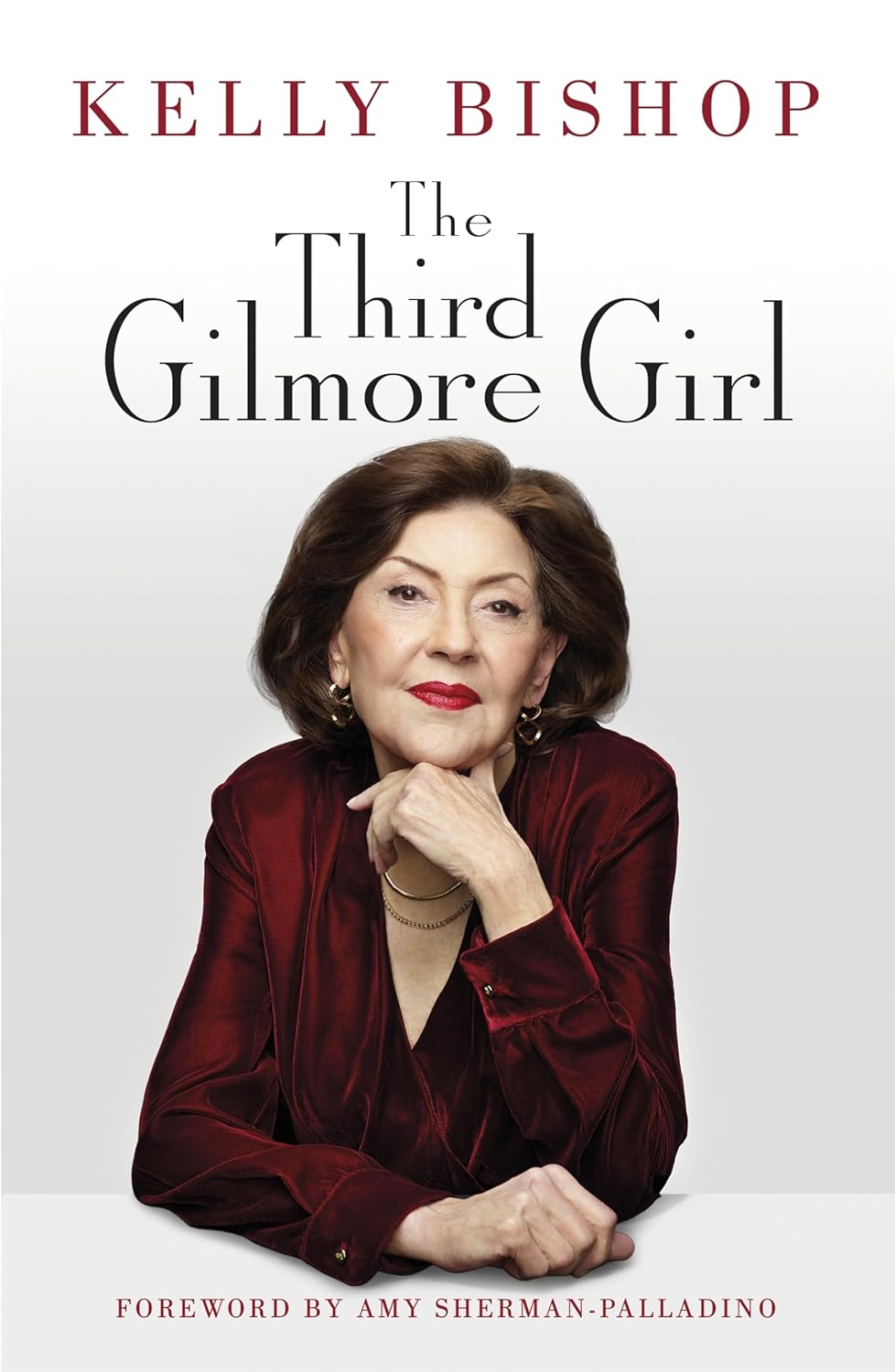
The Third Gilmore Girl ~ Kelly Bishop I came to Gilmore Girls late, as it was on against Buffy and there was no way I was going to miss Buffy. Some friends recommended it though, so I started watching it via DVDs that I got from the library. Like Engie, I feel that Emily, the matriarch of the Gilmore clan, is the best character. I would absolutely not want her for a mother, but as a TV character, she’s awesome. I decided I loved her in the first season when she quipped “Your father doesn’t know what he wants. He’d get his hair cut at the butcher if I let…
-
Friday Randomness
Apropos of Elisabeth’s FIG challenge, where we looked for moments of joy in the (very stressful, dark, and for many of us, cold) month of February, the other day I heard a piece on NPR about searching out ‘glimmers’. The author being interviewed said that searching for glimmers is not the same as toxic positivity. “They’re not so that you forget the challenges or look away from the suffering,” she says. “But what they do is they build capacity in your brain and body to be anchored enough in safety and connection so that you can turn toward the suffering and the challenges and not be pulled into them, not…
-
Penelope
Penelope is an immersive and quiet coming of age story, about a 16 year old girl who, seemingly on a whim, leaves her family, friends, and technology behind and decides to live a hermit-like life in the woods of the Pacific Northwest. The 8 episode Netflix series (about 1/2 hour each) begins with Penelope who is at some kind of camp with a lot of other folks, including her parents. The first episode begins with a ‘silent dance party’, where a large group of teenagers are dancing near some cabins, wearing headphones to dampen the noise. Penelope spies a wolf on the edge of the party, and is stunned. She…
-
Friday Randomness
Just a few random things I’m thinking about today. First off, while I appreciate the humor of the joke above, I am a firm believer in the Oxford Comma, so the first line bugs me. Enough of that. On to randomness. Kyria posted about things she has learned, and one of them was about how she uses Feedly. I don’t use Feedly, but my blog does have an option when you comment, that you can get an email if someone replies to your comment. However, I have heard (from Ally I think) that it does not work. Color me pleased to read in Kyria’s comments that you need a plugin…
-
TV Time
We watch a lot of TV around here. It’s how we unwind most evenings, and truth be told, we generally eat dinner in front of the TV as well. We used to have dinner like civilized people, at the dining room table, but when Ted was sent home to work in 2020, he used the table for reporting traffic for several radio stations, and he worked until 7:30ish. So we got into the habit of eating in front of the TV. After a year of that, he moved to Maya’s room to report traffic, but we still ate in front of the TV. And in 2022, he left that job…
-
Friday Thoughts
Sometimes I have all of the ideas, I know what I’m going to write about, and it comes really easily. Sometimes this happens while I am in the shower, and I forget by the time I’m near my computer. This is one of those times. So I’ll try to come up with something for you, but it’s not the good shower content. Sorry for that. The other day I was taking my morning walk along one of my regular routes. This route crosses our local waterway, which is quite deep and is intended to prevent flooding by rushing the water out of our local tributaries and down to the bay…
-
Miscellaneous Monday
Today’s post is just a bit of randomness. Before we dive in, the picture above is from Tug Dogs, an amazing dog training company a couple of hours from here. I first heard about them from BARK, the Keeshond rescue that connected us with both of our darling dogs, Mulder (2015-2023) and Genevieve (1998-2012). One thing they do at Tug Dogs is to take in dogs that have behavior issues, diagnose the issues, and help the dogs to feel safe and secure, so they can help them to understand how to live happily in a confusing human run world. I follow them on Facebook, and the funny picture above was…
-
U is for Updates
This whole NaBloPoMo thing has been great, and my idea of using the alphabet prompts has kept me very organized. I pre-loaded a lot of the posts, so I could spend more time coming to your blogs and reading. This has not always worked, since life does get in the way sometimes, so I’m a little behind in the commenting and reading department, but just like all of us, I’m doing my best. For today though, I thought I would catch you up on what I’ve been up to. I took a very quick trip to Portland a couple of weeks ago to say goodbye to my step-mom’s partner, Tom.…
-
K is for Killing Eve
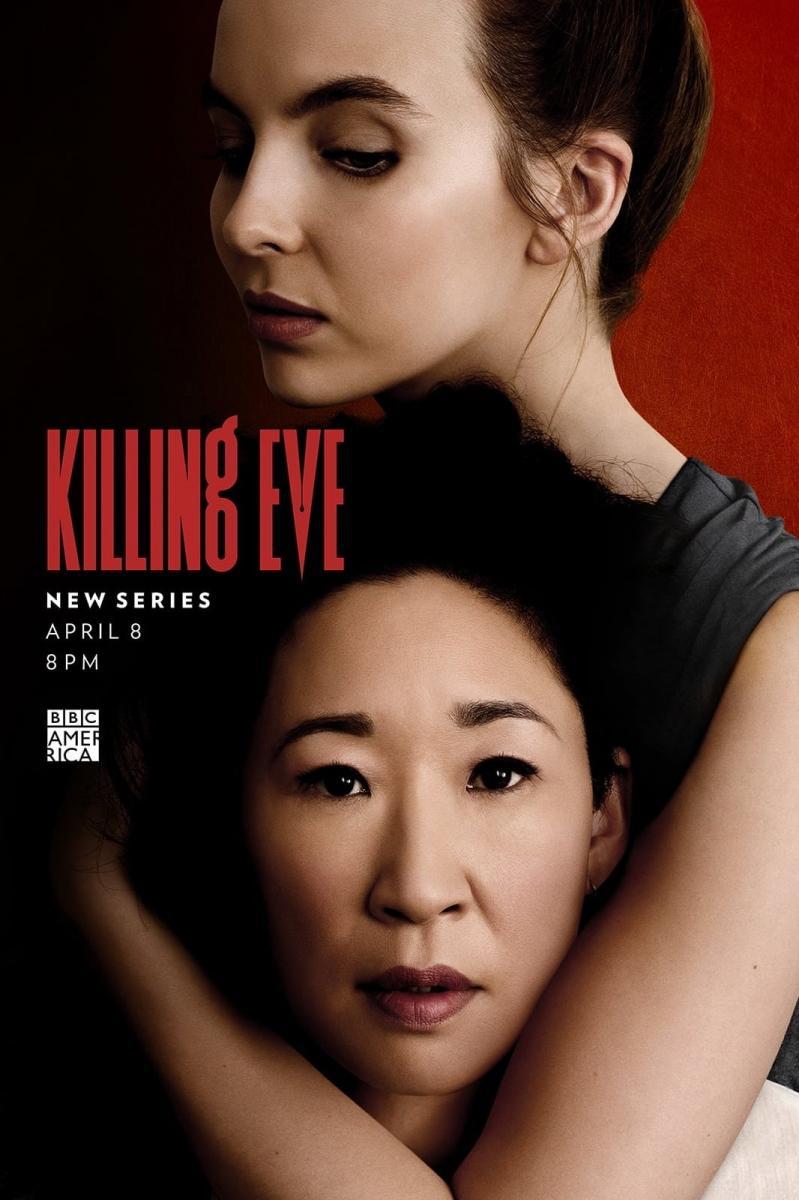
Maya got us hooked on a British spy series, Killing Eve. From Rotten Tomatoes: Eve’s life as a spy is not adding up to what she had hoped it would be when she started. She is a bored, very smart, MI5 security officer who is very desk-bound. Villanelle is a very talented killer, mercurial in mood, who clings to the luxuries of her job. Eve and Villanelle go head to head in a fierce game of cat and mouse, each woman equally obsessed with the other as Eve is tasked with hunting down the psychopathic assassin. Sarah Barnett, BBCA president, says, “‘Killing Eve’ stands out in a sea of scripted…
-
Friday Thoughts
I saw this sad little vase of flowers on my sad lonely walk the other morning, and it felt right to me. I feel flat and sad without Mulder. It’s been two weeks now since he died. I know that we did the right thing, but gosh, it still hurts. It is, however, getting a little less painful, a little easier. I no longer expect to see him when I come downstairs. I no longer think he will come put his chin on my knee and beg for dinner every day at 4:30, knowing that dinnertime isn’t for another 1/2 hour, but hoping against hope that I have forgotten how…
-
Friday Randomness – Catching Up
First off, Happy (belated) Birthday to my wonderful husband, Ted! I shared this picture last year too, but I like it, so I’m sharing it again. His birthday was Wednesday, and he and Maya both took the day off from work. I worked, but knocked off a little early. Maya took Ted out for breakfast, and then they went bookstore shopping, which is something we all love doing. They came home and watched Dune, which they both enjoyed. Ted had seen it when it came out, but Maya hadn’t. I worked for the first hour, so I came in too late and didn’t really pay attention. We went out for…
-
Thursday 13 – What J’s been up to
In an effort to get motivated and back to blogging from my unintentional hiatus, here are 13 things I’ve been up to lately.
-
Thursday 13 – Boob Tube Edition
We watch a lot of TV around here. Many weeknights see us plopped down in front of the boob tube watching reruns of something or another (Currently it’s ‘The Office’, though we are almost finished) while we have dinner. We used to eat at the table, and sometimes we still do, but most nights we don’t. Who knows why. After dinner, Maya does the dishes and then goes upstairs to get ready for bed. She gets up early on workdays, and likes a good 9 hours of sleep if she can manage it. Ted and I stay up for a couple more hours, and watch TV or, once in awhile,…