-
(Not) Wordless Wednesday – Aunt Flo is 100!
My Great Aunt Flo turned 100 yesterday! She is the first person in my family to make this milestone age. She had some visits today from local family, and there will be a party for her this weekend, which we will attend. Aunt Flo is strong, sweet, generous, and devoted. She is dearly loved. She was married on her 26th birthday, which was also my mom’s 8th birthday. She was in the hospital room with my mom when I was born. She was widowed at 37. She has devoted most of rest of her life to caring for family…a cousin, her parents, my grandma. She can no longer live at…
-
5 Things Friday
Five things I’m Thinking About… Have you ever had a root canal? Do you think harsh toothpaste could be the culprit? Did your meal plan veer off track this week? How would you feel about having a contraceptive share your name?
-
Dinners This Week
I’m not a big planner when it comes to meals. Generally I decide what I am going to make for dinner on my morning walk, go to the grocery store on my lunch break, and start cooking between 4:30 and 5:01, depending on my work day. Not good for the environment, I guess, driving every day instead of once or twice a week. At least it’s not far, we have a couple of grocery stores within a mile or two. This week, though, I have a couple of ideas, so I will share them with you now. Whether they end up getting made, or whether I veer off course and…
-
Wisteria
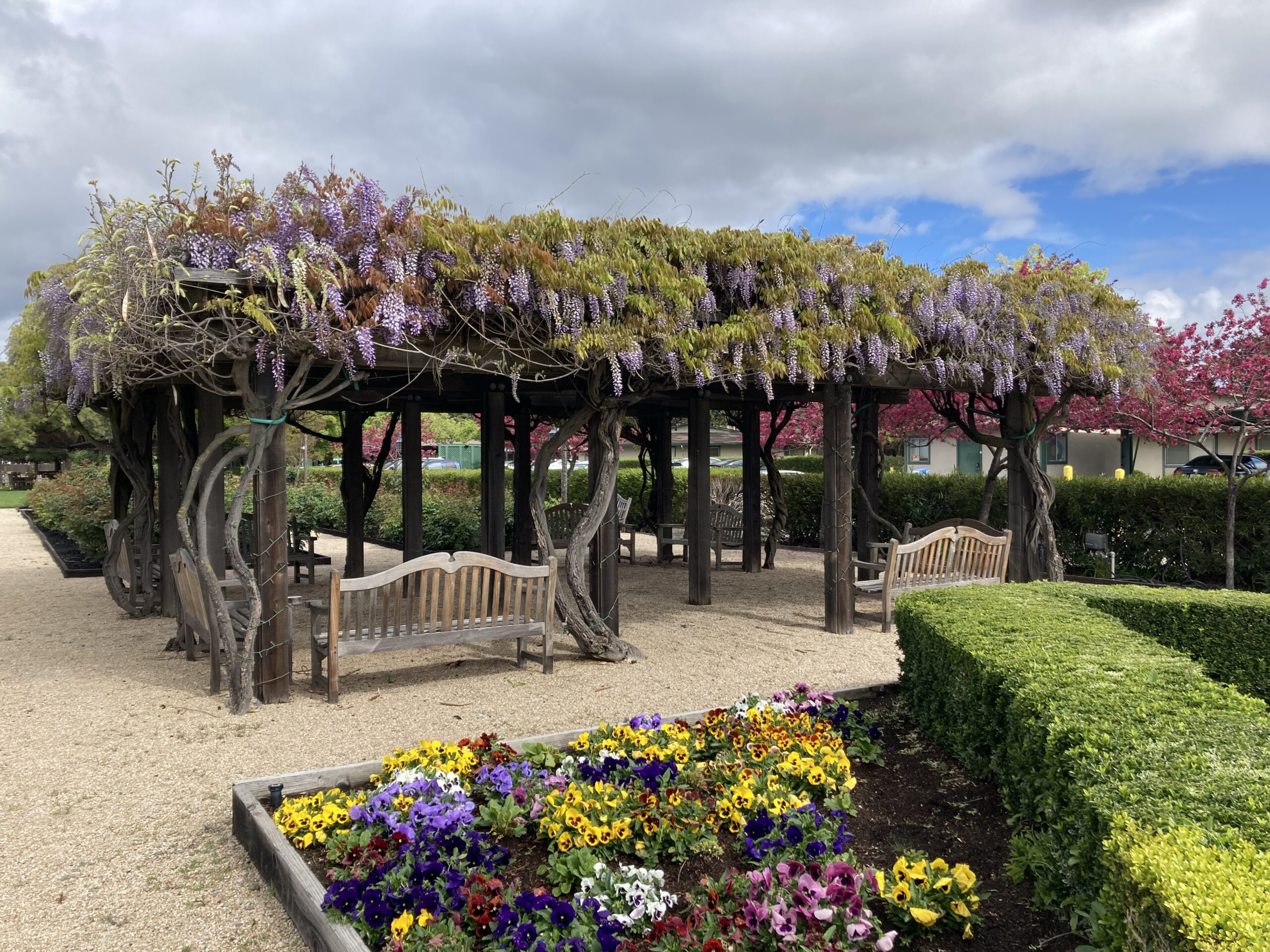
I love wisteria vines, particularly when they are in bloom, as they are right now. My mom had such fondness for them, they reminded her of her Great Aunt Julia (for whom I am named), who had a lovely arbor in her back yard. Growing up, she would always point them out to me. So of course, they make me think of my mom, and also of my Grandma Wells, who had lovely wisteria growing in her back yard as well. The other day I decided that I was going to go in search of wisteria on my walk, and share my pictures with you. The picture above is of…
-
Mulder’s Birthday
Today should have been Mulder’s 9th birthday. He would have perhaps been starting to slow down a bit more, but would still be enjoying long walks on my Fabulous Fridays. He’d still be begging for carrots and cucumbers and bread. In his honor, I thought I would share this video from his 6th birthday, his ‘Golden Birthday’, which we celebrated by making him his own hamburger. He was so much fun!
-
Friday Five
What to write about this Friday morning? Let’s see what I can come up with for a quick Friday Five. That’s all I can come up with around here. What’s new in your neck of the woods? Update to insert 2 of today’s FB memories about the last years of our sweet girl Genevieve’s life. Genevieve was 11 at this point, and lived almost 2 more years. I miss having a dog, every day. I don’t miss this part of the equation, though.
-
Monday Meme
I know, a cartoon and a meme are not the same thing, but I liked this cartoon and decided to share it. Want to get caught up? This sign is on one of our local walks. There’s construction ahead, and somehow, they think it’s important for us to know that the sidewalk is close. Very close. Maybe a foot and a half? (I did terribly on the spacial section of the ASVAB way back when, so don’t really ask me about distances, and if you need help packing your moving truck, I’m probably not your gal.) Do you make wishes? I sometimes do. I make a wish if I blow…
-
Happy Birthday Maya!
It’s Maya’s birthday today, so I’m about to photo dump you with pictures of her from over the years. In no particular order (gotta get to my yoga before she wakes up), here you go. I said in no particular order, but this is our first photo together, taken in the delivery room. Which was also the labor room. Usually they would have you labor in one room and then move you to deliver. Who thought of this idea? Clearly a man. No woman would think it was a good idea to move rooms in the middle of being torn apart from the inside. Anyway, here we are, and that…
-
Friday 5 – Beware the Ides of March
I’m late on this, I intended to post yesterday so you could see the funny meme on the correct day. But the day got away from me, as they so often do. Pretend it’s Friday, OK?
-
Wordless Wednesday – Meme Edition
-
Miscellaneous Monday
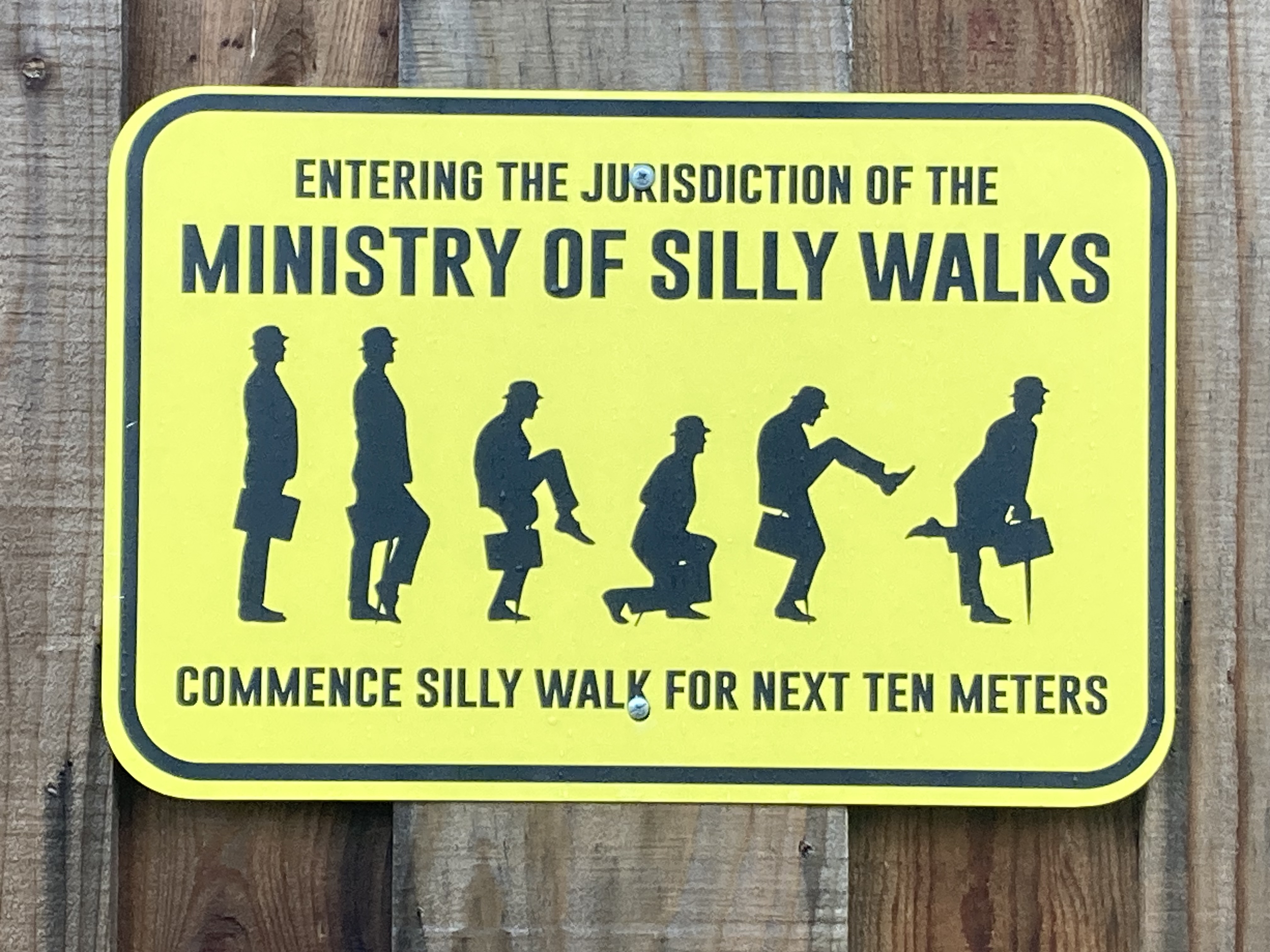
Lest you worry about my whereabouts, I decided to post something today. But what? How about some randomness? I noticed the sign above on one of my morning walks recently. In the unlikely event that you’re unfamiliar with the Monty Python skit, you can watch it here. This is my favorite tulip tree in our area. This house has a much bigger one in the front yard, with darker colored blossoms, but this one charms me. I love the way they keep it shaped. One of our local public art pieces, nicknamed ‘Fountain Head’ was taken away for restoration the other day. Not my picture, I saw it on our…
-
Salad with Avocado and Pickled Onions
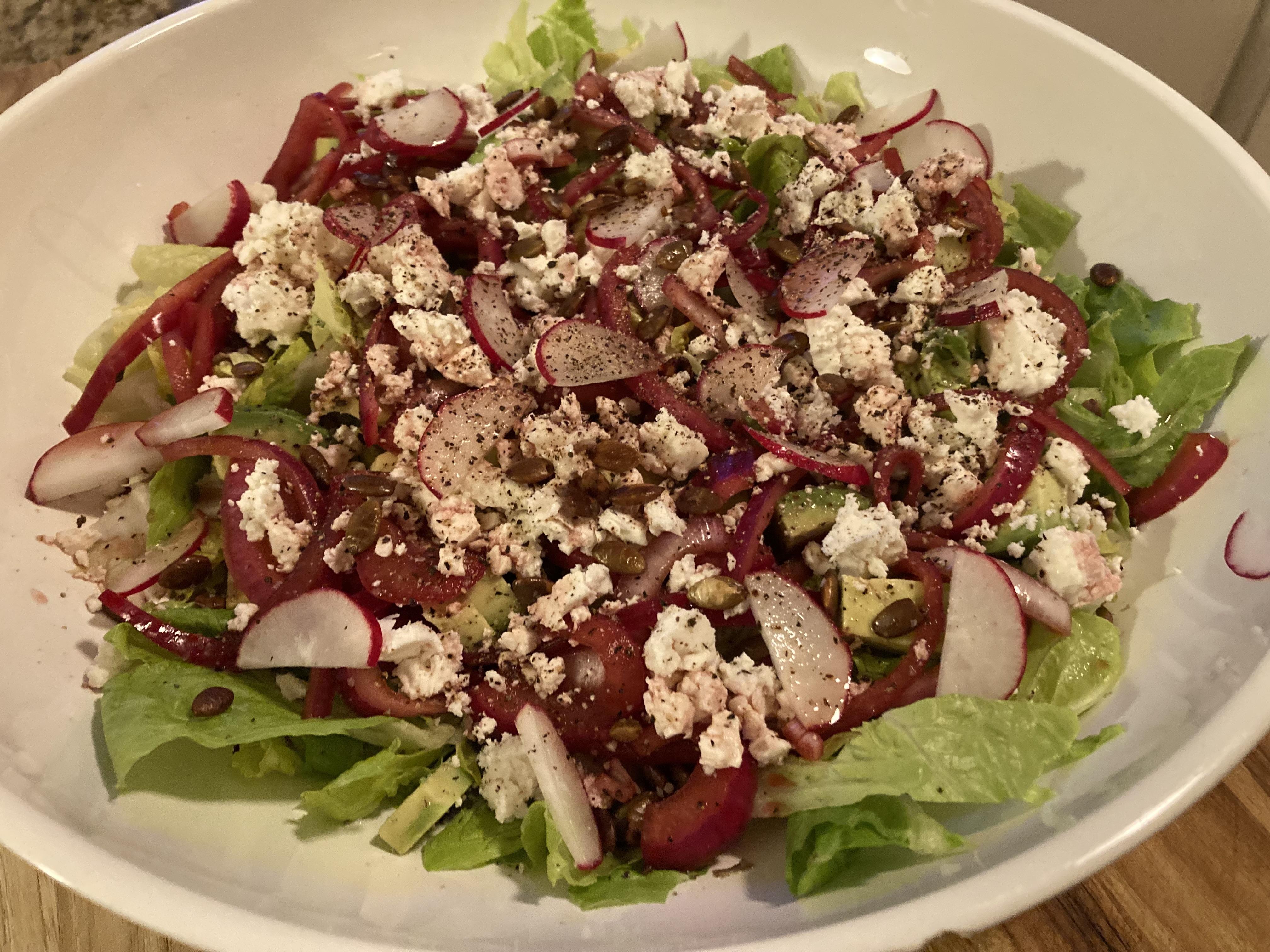
I was scrolling through Facebook the other day, and Smitten Kitchen posted a recipe for a salad that looked really good. I decided I wanted to give it a try, so I made it for dinner last night. I made a few changes. I used romaine hearts instead of iceberg, I used feta cheese instead of cotija, and I used more pickled onions because I love pickled onions. I served it with a roasted chicken for Ted and myself, and with fake chicken for Maya. Delicious. You can find the recipe and her beautiful photos, here. Smitten Kitchen’s Baby Wedge Salad with Avocados and Pickled Onions Pickle your onions: Combine…
-
Friday Five
It’s been a busy week around here! Here are a few things that are going on. Look at this Big Dumb Cup. My friend Neva gave it to me for Galentine’s Day. It holds 32oz, so I will not be dehydrated. I like having it at my desk. One of my bloggy friends (I forget whom) recently read Land of Milk and Honey, by C Pam Zhang. Based on your recommendation, I listened to it this week while out taking walks, cooking dinner, that kind of thing. I liked it a lot. The writing was lyrical in many places, which is interesting in a dystopian novel. Here’s the blurb from…
-
Monday Morning Musings
It’s 6am on Monday morning. Usually I write my posts the day before and schedule them, but today I am writing in real time. I don’t have anything earth shattering to share, but want to post something, since it’s been awhile. How are you this Monday morning? Have you ever gotten Wordle in one guess? Do you use the same starter word every day? Do you even play Wordle? Any home repairs that are just too much money to contemplate?
-
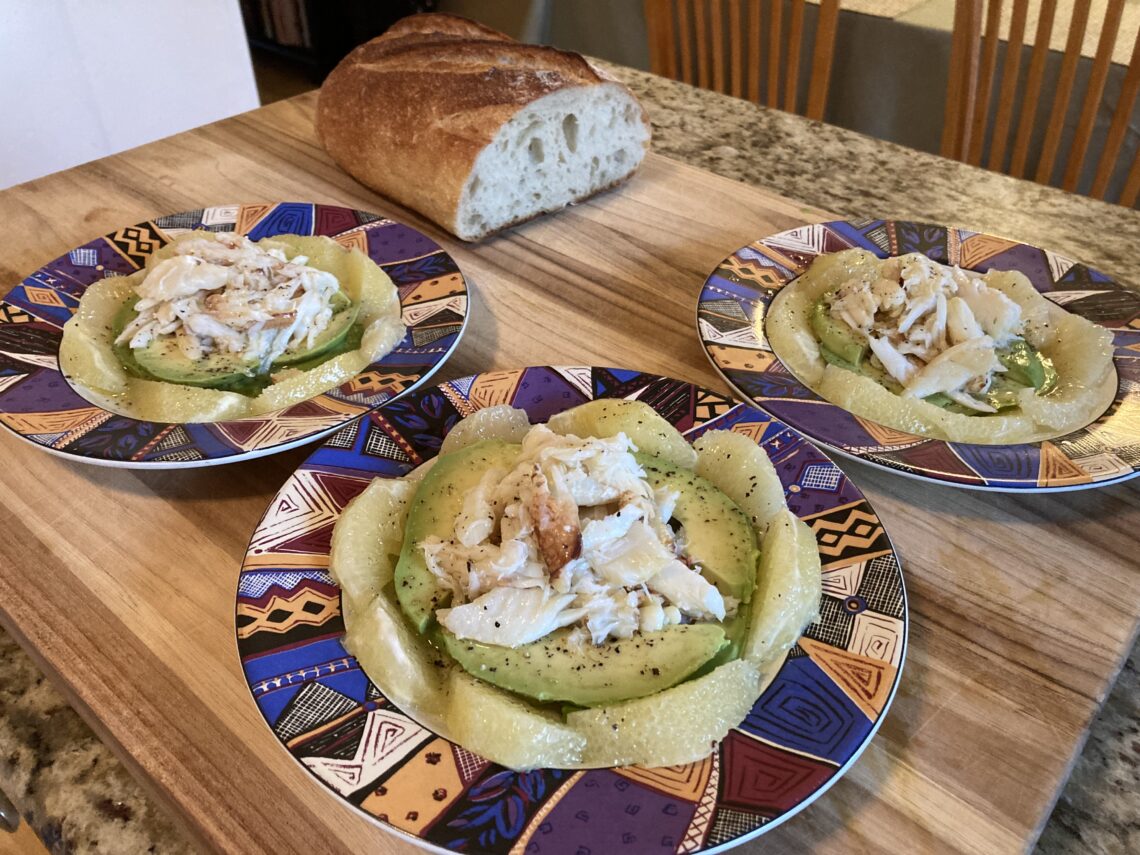
Blustery Weather – Crab, Grapefruit, and Avocado Salad
California was recently walloped by some fierce weather, especially down south. Our neighborhood got some rain, and some gale force winds. The winds knocked down some trees in our neighborhood, which always makes me sad for a life cut short. In better news, the wind also knocked a bunch of grapefruit down from a tree on one of my morning walks, and I grabbed as many firm ones as I could carry (3). I still had some leftover crab in the fridge, but not enough to make crab cakes*, so I decided to make a first course for our dinner instead. The result was a delicious and refreshing dish, above,…